
Operating Portal Test for Safety (OPTS)
OPTS, the Operating Portal Test for Safety, is designed to give managers a simple, intuitive way to conduct FRA rules testing in the field. I followed a user-centered design process across discover, define, ideate, prototype, and test, using survey feedback, field observations, user personas, journey mapping, brainstorming, affinity mapping, and usability testing to guide the solution.
Using Axure RP, I created a high-fidelity prototype that allowed users to test the core workflow before development began. With OPTS, managers can quickly search for and select employees, document observed conditions, choose the rules being tested, and record results with an easy thumbs-up for pass or thumbs-down for fail.
The project was developed using an Agile methodology, with design staying at least two weeks ahead of development. This allowed us to incorporate user feedback early, refine the experience before build, and continue improving the application over time. The final platform streamlines the testing process, making it faster and easier to capture accurate safety observations while on the go.
Discovery Phase
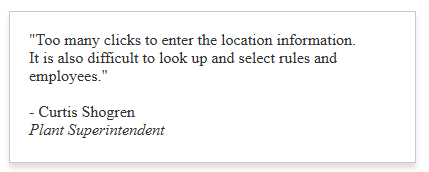
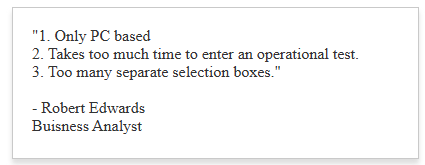
During the discovery phase, I used Optimal Workshop to send out surveys and collect feedback from managers who conduct FRA rules testing. The goal was to understand the current testing process, identify major pain points, and learn what managers needed from a faster, more intuitive tool.
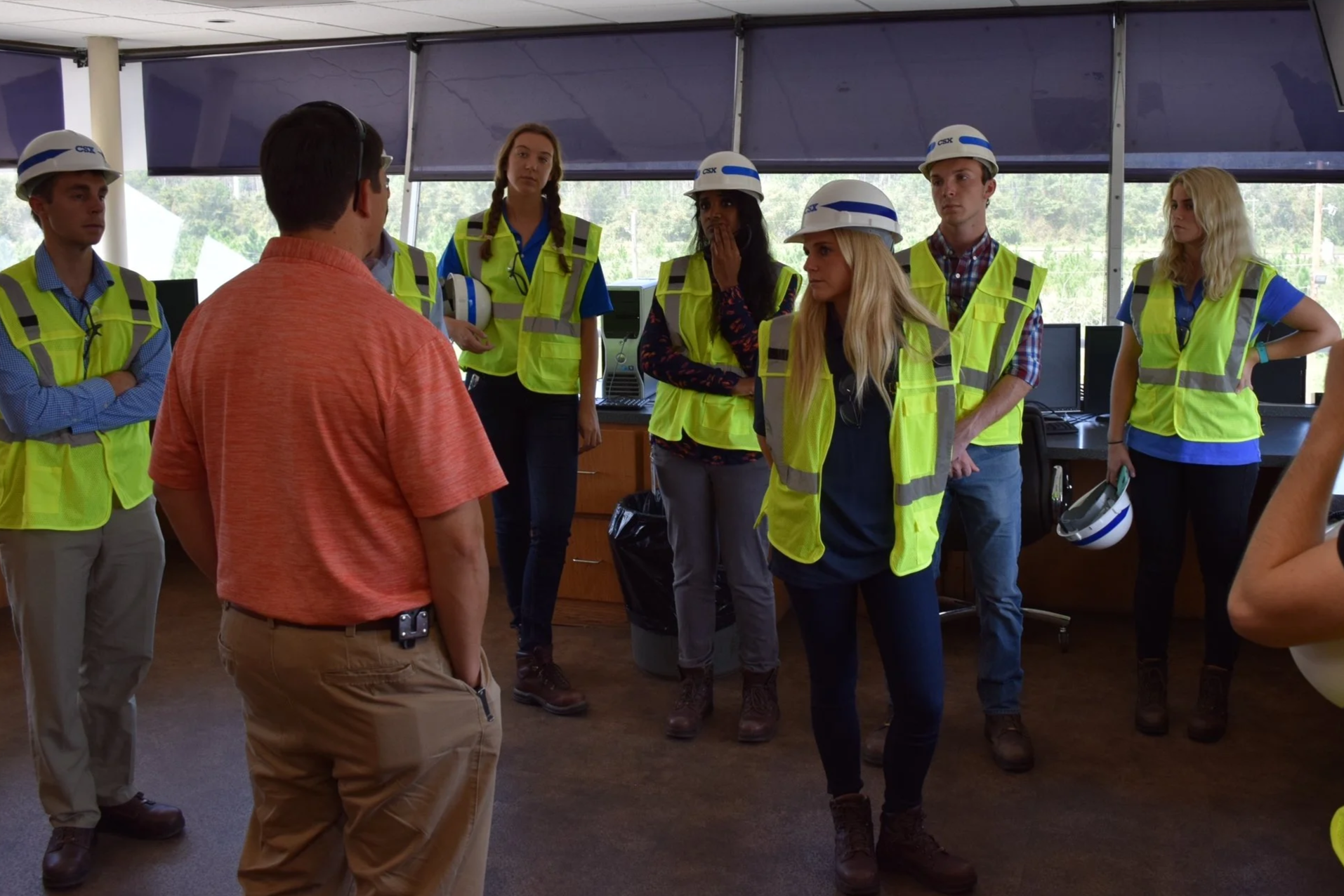
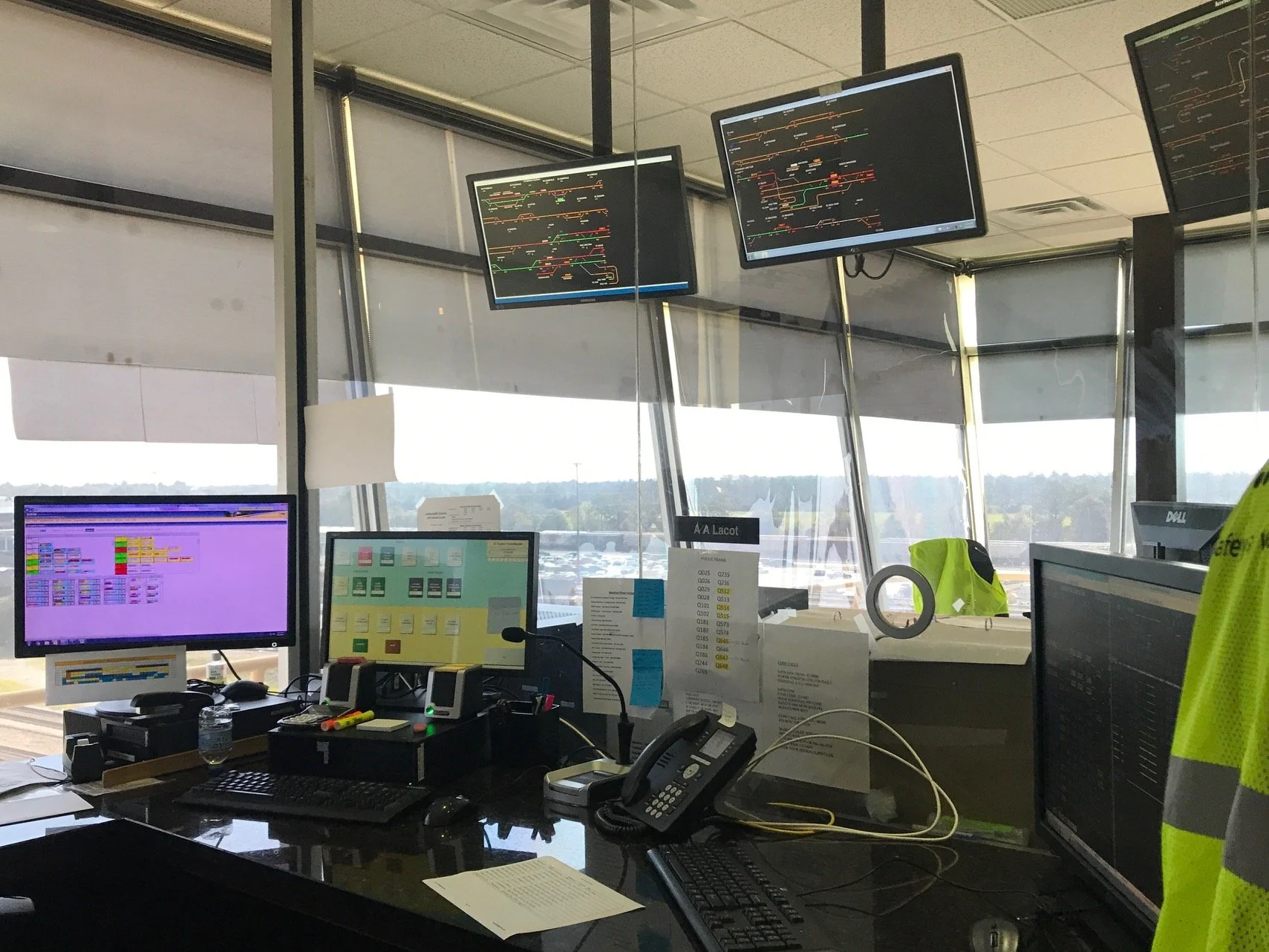
In addition to survey research, I went into the field wearing a hard hat and boots to observe managers in their real working environment. Seeing the process firsthand helped me better understand the conditions managers face while conducting tests on the go, including time constraints, safety requirements, environmental distractions, and the need for quick, accurate documentation.
The research revealed that the current process could feel slow and fragmented. Managers needed an easier way to search for employees, document observed conditions, select the correct rules being tested, and record pass/fail outcomes without disrupting their fieldwork.
These insights made it clear that OPTS needed to be mobile-friendly, simple, and built around the realities of field use.
Define
During the define phase, I synthesized the research gathered from surveys, user feedback, and field observations to better understand who the users were and what they needed from OPTS.
I created user personas to define the primary roles using the application, including managers responsible for conducting FRA rules testing in the field. These personas helped clarify each user’s goals, responsibilities, frustrations, and expectations when completing safety observations during day-to-day operations.
I also developed a journey map to visualize how managers move through their daily workflow, from identifying employees to observe, to conducting the test, documenting conditions, selecting applicable rules, and submitting the final result. Mapping this process helped uncover key moments where the current experience created friction or slowed users down.
After organizing the survey feedback and research findings, I identified opportunities to improve the application, including making employee search faster, simplifying rule selection, reducing unnecessary steps, and creating a clearer pass/fail experience. This phase helped translate user feedback into clear design priorities for the next stage of the UX process.
Ideate
During the ideation phase, we held multiple brainstorming sessions to explore potential solutions and turn user feedback into actionable design ideas. The goal was to generate a wide range of possibilities before narrowing in on the features that would have the greatest impact for managers in the field.
We used the feedback gathered during discovery to guide our discussions and ensure that our ideas were grounded in real user needs rather than assumptions. As a team, we organized insights through affinity mapping, grouping similar pain points, feature requests, and workflow issues into clear themes.
From there, we used dot voting to prioritize the most valuable and feasible features. This helped us identify what needed to be included in the minimum viable product, or MVP, for the prototype. The MVP focused on the core tasks managers needed most: quickly searching for employees, documenting observed conditions, selecting the rules being tested, and recording a simple pass/fail result.
This phase helped the team align around a focused solution that addressed the highest-priority user needs while keeping the prototype simple, practical, and easy to test.
Prototype
For the prototype phase, I translated the research insights, journey map, and prioritized MVP features into a mobile-first design for OPTS. Because this tool needed to fit within the company’s existing product ecosystem, I designed the prototype using the company’s current design system components.
A major constraint during this phase was maintaining consistency with the existing application. Stakeholders were very particular about the use of color, button styling, visual hierarchy, and unique interface patterns that were already established in the system. Rather than introducing a completely new visual language, I worked within those existing standards to make OPTS feel familiar and connected to the broader platform.
The prototype focused on the core workflow managers needed in the field: finding the right employee, documenting the test, selecting the applicable FRA rules, and entering a clear pass/fail result.
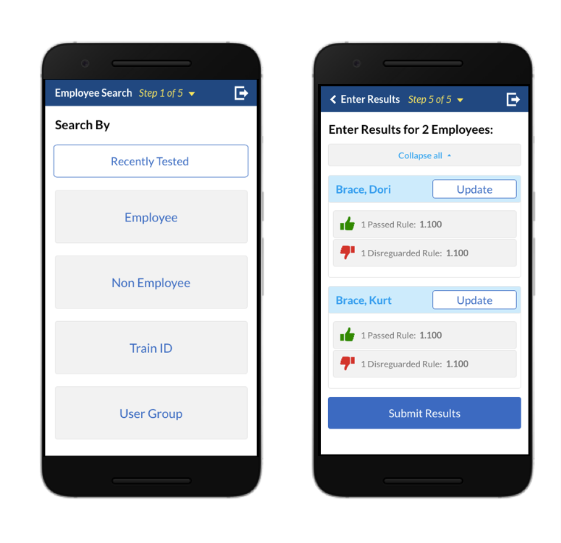
The first screen focused on employee search, giving managers multiple ways to begin a test based on how they work in the field. Managers could search by recently tested employees, employee name, non-employee, train ID, or user group. This reduced friction by allowing users to start from the path that best matched their real-world situation.
The results screen focused on making outcomes easy to review and submit. Managers could see each employee being tested, update individual results, review passed and disregarded rules, and submit all results from one place. The thumbs-up and thumbs-down icons created a simple visual language for pass and fail outcomes while still fitting within the approved system patterns.
Using the existing design system helped balance usability, consistency, stakeholder expectations, and engineering feasibility. It allowed me to improve the workflow while respecting the visual and interaction patterns users already recognized.
Test
For user testing, we created a set of task-based scenarios for users to complete using the prototype. The goal was to validate whether the workflow was intuitive, efficient, and aligned with how managers conduct FRA rules testing in the field.
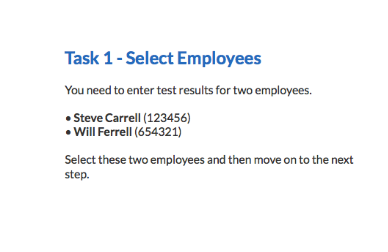
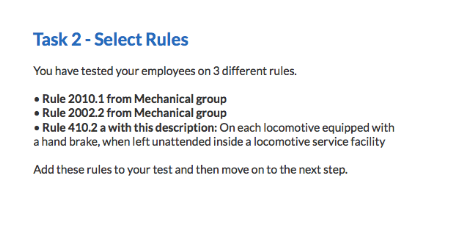
We started by asking users to search for and select employees using their ID number. From there, users moved to the next step, where they selected the three different rules that needed to be tested. These tasks helped us evaluate whether users could successfully move through the core OPTS workflow without confusion or unnecessary friction.
As users completed each task, we recorded their feedback, observed where they hesitated, and captured opportunities to improve the design. This feedback was incorporated into the prototype before development began, allowing us to address usability issues early and reduce rework later in the process.
We also worked within an Agile methodology, staying at least two weeks ahead of development. This allowed design to continuously validate concepts, refine user flows, and hand off updated screens and requirements before engineers began building. By testing early and often, we ensured the final design was grounded in user feedback while also supporting an efficient development process.
Outcome & Continuous Improvement
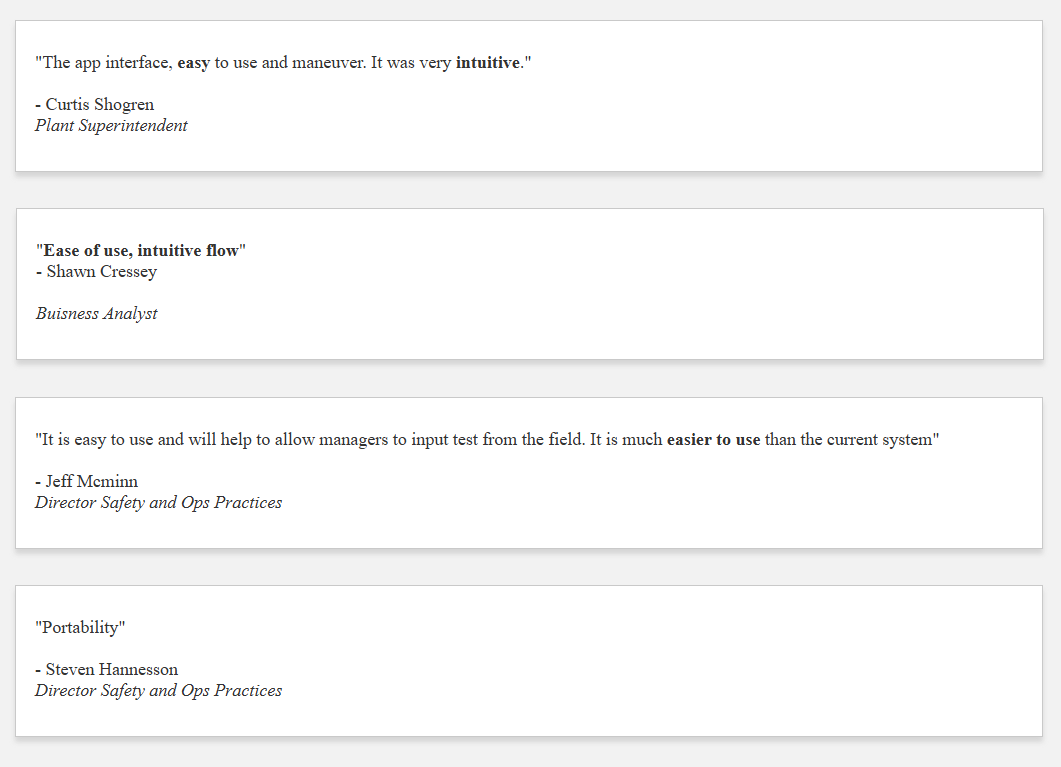
After the initial UX process, we tested the application with users and sent out follow-up surveys to gather additional feedback. The response was extremely positive. Users felt that OPTS made the testing process easier, faster, and more intuitive compared to the previous workflow.
The feedback confirmed that the core design decisions were successful, especially the simplified employee search, guided rule selection, and clear pass/fail interaction. Users appreciated that the tool supported the way they actually worked in the field rather than forcing them through a complicated process.
We continued to use an Agile methodology after launch, incorporating user feedback into future iterations of the application. As new needs were identified, we prioritized enhancements, refined existing workflows, and added new features over time. This allowed OPTS to keep evolving based on real user behavior, stakeholder input, and operational needs.
Overall, the project showed how a user-centered design process could transform a complex safety testing workflow into a practical, field-friendly application that supports both compliance and day-to-day efficiency.
New System Feedback
After testing the OPTS prototype, users provided highly positive feedback about the new experience. Users said the application was:
Easy to use
Did not require support from a technical person
Had no inconsistencies in the workflow
Was not cumbersome to use
Required no training before using the app
This feedback helped validate that the new OPTS design successfully addressed the pain points from the previous system. The application gave managers a clearer, more intuitive way to complete FRA rules testing in the field, while reducing friction and making the process easier to complete on the go.